Training Tuesday: Exercising Older Dogs
Your Questions Answered. Sponsored by YuMOVE.
Though your senior dogs may be going gray, it’s important to keep them active. We answer some frequently asked questions about older dog exercise.
Do older dogs need exercise?
In a word, yes. Older dogs – like older people – tend to be happier and healthier if they keep up appropriate, regular exercise routines to suit their age and ability. The saying "move it or lose it" is true of most senior dogs! The fitter they are today, the more likely they’ll be fit, happy and healthy tomorrow.
Of course, your vet is the best person to guide you on exactly how much exercise your older dog can comfortably enjoy, but there are lots of great reasons to keep your older dog active, including:
- Fun: From an agility course to a slow stroll with lot of stops to sniff, dogs love being active!
- Keeping in shape: Building and maintaining muscle tone is a great way to support older joints.
- Bonding: Taking time out of your day to spend time with your dog increases happiness for both of you.
- Weight management: Extra weight can put unnecessary stress on your dog’s joints, so keeping them trim is a good idea. Older metabolisms can be slower too, as well as other medical conditions coming into play, so exercise programs are really important, and making sure to pay attention to your dog.
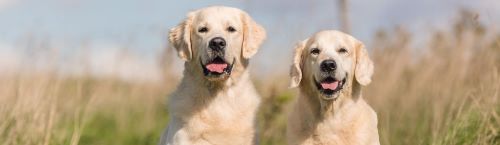
How should I exercise my older dog?
Don’t give up.
The most important thing is to keep up regular daily walks, even if they’re shorter and slower than in days gone by. It’s easy to just skip walks when dogs get older, but it’s important to stick to a regular schedule to maintain fitness and happiness.
Take it steady.
Older dogs may not be able to join you on runs and bike rides any more, but a gentle stroll with a few sniff-stops and rests is manageable for most. If your dog has lost strength in his or her back legs, they may do better walking uphill – the stronger front legs do the hard work. They might need more of your help going downhill.
Alternate your routes.
If the highlight of your dog’s day is an off-leash run in the park, but they’re tired by the time you get there, why not drive with your senior dog when you head for green spaces? Skipping the street-walk saves energy so they can really enjoy their walks, which will help to keep them active for longer.
Update your agility practice.
You can modify your dog’s sport to be more suitable for their age:
- Lower fences and reduce the gradients of obstacles.
- Include fewer obstacles in each session, and take the course at a slow trot.
- If your dog is new to agility, start slow. Make sure your dog is comfortable with short walks and jogs on the leash, then introduce basic obstacles. Rest as needed to help avoid getting over-tired and stiffness.
- Warm up before you get started is not only good for their muscles and joints but also engages your dog’s focus before starting. After your work out, cooling down is important, too!
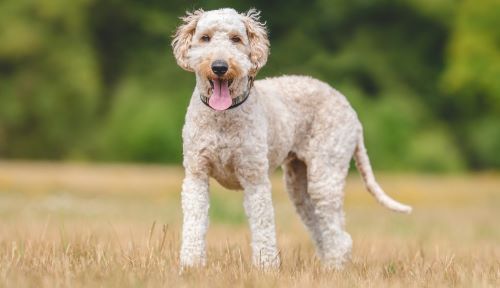
How long should I exercise my older dog?
Keep it short and sweet.
Three or four short sessions of activity are easier on your senior dog than one long one. Try mixing up a short walk, a short training session in the backyard and a game of hide and seek spread throughout the day. This should help your dog to be less stiff from a long walk and keep up fitness without wearing them out.
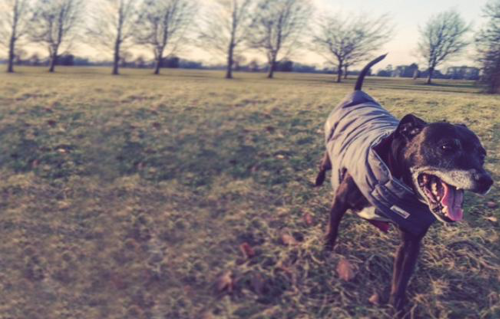
What are some extra ways to help old dogs exercise?
Here are a few other things you can try in order to keep your older dog active:
- Swimming and hydrotherapy: great for building strong muscles to support older bones.
- Short walks: to break up the day and increase steps. Three to four 15-minute walks soon add up!
- Brain games: for dogs who can’t physically manage lots of exercise, exercise their minds instead.
- Balance training: another good one to build muscle tone.
- Trick training: you absolutely can teach old dogs new tricks, and training is a great way to bond with and tire out less mobile dogs. Why not teach your older dog to read or play dead?
How do I help my old dog with stiffness?
Try a joint supplement.
If your senior dog is experiencing stiff joints, a Green Lipped Mussel and Glucosamine joint supplement can help them to move more freely. YuMOVE Hip & Joint soft chew supplement – our proven triple-action joint supplement for dogs who are stiff or getting older – soothes stiffness, supports long-term joint health and promotes mobility. YuMOVE is proven to work in just 6 weeks*, thanks to ingredients like the world’s top strength, cold-extracted ActivEase™ Green Lipped Mussel and Glucosamine. That said, do be careful once your dog responds to the supplement – more comfortable joints may make them keen to do more exercise than your vet has recommended! *Study conducted by Royal Veterinary College.
If you’re worried about your old dog getting stiff, speak to your vet for more support.
For more information, visit www.yumove.com and follow us on Facebook.