Get Ahead of Future Joint Stiffness for National Mobility Awareness Month
“PAWS” to recognize changes in your dog’s mobility.
Joint care isn’t just for dogs showing clear signs of mobility issues. Preventative joint health can make a huge difference in your dog’s quality of life. 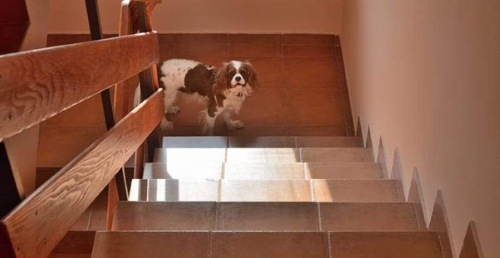
May is National Mobility Awareness Month, and to help owners identify whether their dog is experiencing joint stiffness or mobility issues, YuMOVE is sharing some of the top tips to care for your dog’s joints proactively and reactively.
YuMOVE, leading canine joint supplement company, is urging dog owners to “PAWS” and check the four key areas where such changes could manifest:
- (P)osture: Are there any changes in your dog’s body shape, muscle strength or simply in the way they walk?
- (A)ttitude: Has your dog unexpectedly changed the way they react to you, your family or to other dogs?
- (W)illingness: Is your dog still up for walks, games, bouncing in and out of the car and barking at every little thing?
- (S)lowing down: Has your dog been slowing down lately, sooner than you hoped they might?
"With the ‘PAWS’ system, we hope to see pet owners become more confident to identify the signs of joint stiffness and loss of mobility to ensure they can take action before it impacts negatively on their pets’ physical and emotional well-being," said John Howie, CEO and cofounder of YuMOVE.
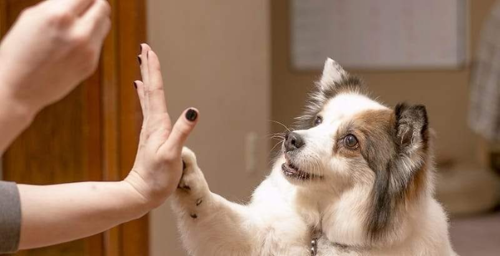 After conducting a poll of 2,000 dog owners, YuMOVE found that just one in five dog owners are completely confident they know what to look for. More than one in 10 admitted they don’t have any idea, and 75 percent of dog owners believe their dog slowing down is nothing more than a sign of old age, according to the study.
Signs that your dog may be struggling with joint stiffness can seem like small behavior changes, but when put together, they show the clearer picture. To best educate dog owners on this issue, YuMOVE has outlined the following signs a dog might be struggling with their mobility or joints:
- A change in the way they walk or run, often slower, limping and/or head nodding as they walk or trot;
- Reluctance to jump up or down (e.g., into the car or onto the sofa);
- Reluctant or significantly slower on a daily walk;
- Slow to get to their feet from rest;
- Repeated attempts/reluctance to lie down, often turning in circles;
- Avoid/nervous on slippery surfaces such as laminate floors;
- Difficulty on steps/stairs and slopes;
- Licking at their joints;
- Newly developed fear of loud noises;
- Unexplained changes in personality, generally more “grumpy”;
- More defensive towards other dogs;
- Loss of muscle mass around legs, shoulders or hips, may increase size elsewhere to compensate;
- Reduced desire to play games;
- A “hunched” posture;
- Unexplained “pacing,” often at night;
- Difficulty holding body position while going to the bathroom.
For more information visit https://yumove.com/pages/a-guide-to-dog-joint-health-and-stiffness