Wellness Wednesday: Canine Separation Anxiety
Preparing for post-pandemic life and in-person events
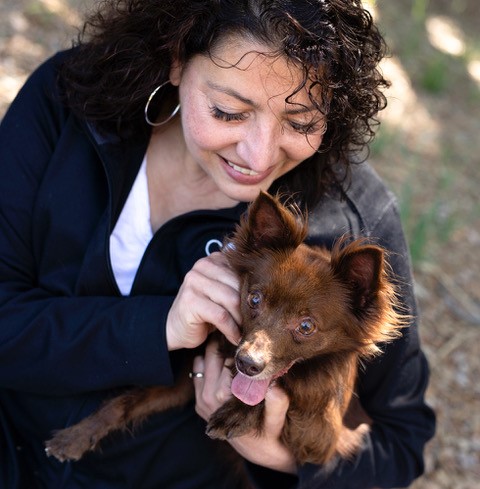 Malena DeMartini-Price, CTC, is renowned in the dog training world for her work on canine separation anxiety disorder. Her books, Treating Separation Anxiety in Dogs and the newly published Separation Anxiety in Dogs: Next Generation in Treatment Protocols and Practices, have helped countless numbers of dogs. Malena is passionate about furthering education in this field through science-based methods. We asked Malena to share some tips to help us prepare our dogs for life after COVID and returning to live events.
We have been spending more time than usual with our dogs during the pandemic. As we go back to work, can you address how we can prepare them for time apart?
As we head toward post-pandemic life in the coming months, it will be tremendously important to prepare dogs now for future alone time. I suggest that guardians take the time to use a platform like Zoom to review their dog’s body language when they are alone. The absence doesn’t have to be a long one, and for some, only a few minutes is tolerable. While watching the dog during a brief scheduled absence, make sure to note any signs of distress. The most overt signs are vocalization, destruction and elimination. However, panting, pacing, drooling, whining and general unease are also reasons for some concern.
Whether a dog is showing signs of alone time distress or not will dictate the level of preparation needed.
For those dogs that appear to be comfortable when left alone, it would still be wise to do a bit of gradual exposure to absences. Taking time to leave the dog for brief occasions a few times a week will keep that alone time muscle in shape.
For dogs showing 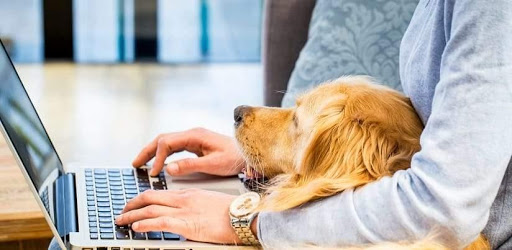 signs of anxiety when left alone, the process needs to be more gradual. Start by doing sessions of about 20 to 30 minutes per day where the dog is left repeatedly for VERY short durations. The duration will be dictated by how long the dog can successfully be left without experiencing anxiety. The guardian should return before the dog starts to panic in any way, which could literally mean a few seconds of alone time.
In time and through repetition, the duration of the absences can move from a few seconds to a minute or more, and gradually the time alone can be increased. All the while, when doing this training, the dog should not be put into a position of being left alone for longer than he can handle.
This training may sound tedious, and indeed it can be, but it is the most efficient and effective way to teach a dog that alone time is safe.
When handlers start to travel to attend live events, they make be leaving some dogs home — another stressor they haven’t had in a while. On the road, dogs may be crated at an event or a hotel room — again, even if they are seasoned travelers, it has been a while. Any tips to help?
I suspect there will be a difference between the seasoned travelers and those that are new to it. The seasoned travelers may need a bit of a refresher to be alone successfully while on the road. This can simply mean exiting the area for a few moments and returning, repeat, repeat, repeat. These dogs will likely acclimate again with a little rehearsal.
For those dogs who are not seasoned travelers or for whom distress is noticed, the amount of rehearsal will need to be increased. Time must be taken to exit and return in very small increments over time for the dog to start to feel safe in the environment. If using a crate, the first place to practice with the dog alone must be a comfortable environment, such as at home. Practicing brief periods of alone time in the crate while in the familiar environment can be the starting point, and then the same sort of rehearsal can be conducted on the road. Taking this training on the road can only commence after the dog has mastered comfort in the crate in familiar surroundings.
Leaving one dog home when the other will be traveling can be challenging for some dogs, particularly if it has been a while. I suggest that a discriminative stimulus be used when leaving with only one dog, and none be used when both are exiting. An example of this would be putting on the harnesses of both dogs when they are leaving together. When only one dog is going without the o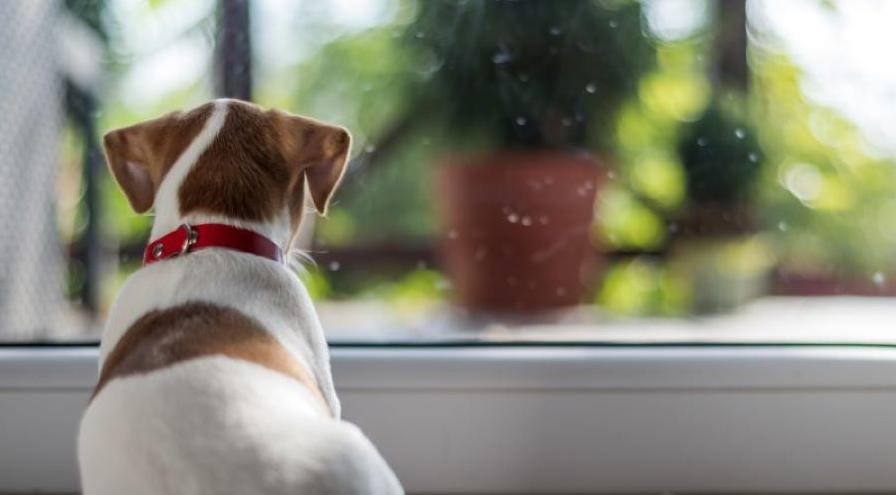 ther, the harnesses should not come out. This is but one example of differentiating between one dog leaving and the other staying. The stay-at-home dog will need to have some rehearsal of alone time prior to being left for real.
If you have multiple dogs (a puppy or a second dog) and only one is showing separation issues, how do you keep the others from picking up the behavior?
Separation anxiety contagion is an interesting phenomenon, and we aren’t entirely clear on when it does and does not happen. The best advice is to start to implement separation training for the afflicted dog right away. If the afflicted dog is only left for as long as he can handle, there will be no anxiety present, and the other dog in the household will therefore not be affected. We can only move forward at the pace of the anxious dog.
Do you offer other resources to help separation anxiety?
I offer an online course for guardians called Mission: POSSIBLE that has proven to be an invaluable resource in the industry, and the success rate realized there is inestimable. In addition to writing and lecturing worldwide, I oversee a team of top separation anxiety trainers and run an internationally accessible certification program for accomplished dog professionals looking to hone their skills. Resources about separation anxiety and support with training can be found at malenademartini.com.