Wellness Wednesday: How to Choose a Supplement
Rely on the science, says renowned veterinarian and researcher.
Thanks to all who stopped by the Antinol®/Vetz Petz® booth to sign up for free samples during Cynosport® Dog Agility World Games. The reports from those using the supplement continue to pour in, and we will continue to share the stories in the future. If you missed it, Dr. Leilani Alvarez, DVM, DACVSMR, shared an exceptional report on using science to choose a supplement. You'll find that information in the article and video below.
We also invite you to join us on Thursday, January 27, at 8 p.m. EST as Dr. Alvarez answers your questions about supplements, aging (dogs, not humans) and more. You can submit your questions in advance to news@usdaa.com, and we’ll make sure they are covered during the session or respond directly afterwards if we run out of time. The special live Q&A seminar will be rebroadcast at a later date and posted on USDAA.com.

According to the American Veterinary Medical Association, about a third of U.S. dog owners use supplements to help their dogs lead long, happy, healthy lives. While it can be hard deciding on one supplement over another, Dr. Leilani Alvarez, DVM, DACVSMR, puts her faith in the research behind the products. Here are four things she keeps in mind when researching supplements.
Step 1: 3rd-party lab verification
Has the supplement been tested outside of the company that produced it? According to Dr. Alvarez, you cannot rely on the production company to give you authenticated lab results if they generate the results themselves. Without the same bias as the production company, a third-party laboratory is inherently more honest about the supplement’s test results.
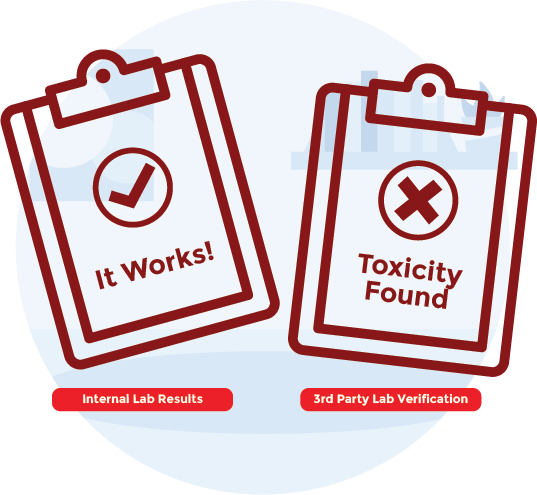
Step 2: Is it safe?
Dr. Alvarez says she puts supplements up to the same rigor that she does pharmaceutical drugs. “Numerous studies have shown that oftentimes what is on the label is not what is actually in the product,” she said. Be sure to research the supplement’s ingredients; are they all-natural and beneficial to those taking it, or are they potentially harmful?
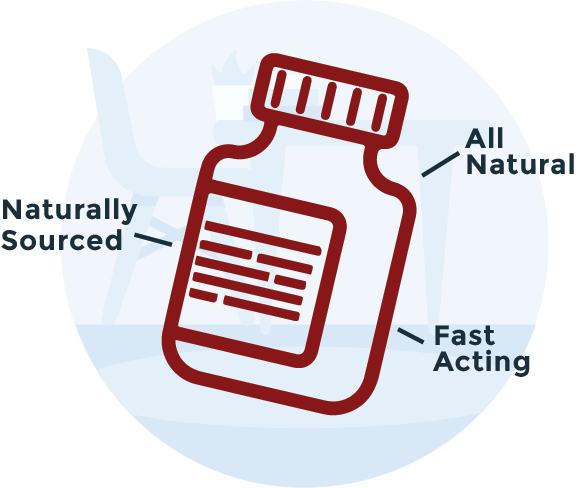

Step 3: Pharmacokinetics
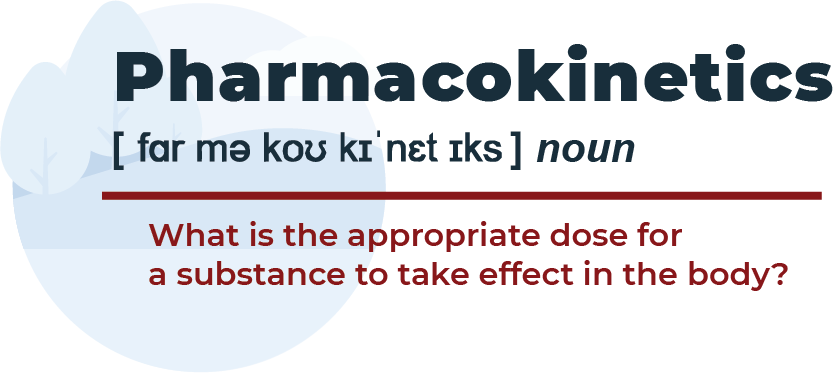
Two important words to remember are pharmacokinetics (what dose is appropriate to have an effect on the body) and bioavailability (how much of a nutrient can be absorbed in the body). If a supplement has a low bioavailability, giving it in higher doses won’t make it work any better.

Step 4: Efficacy studies
How effective is the product in doing what it’s supposed to? “This is really the top tier of my criteria for a good supplement,” Dr. Alvarez said. “What it means is that the supplement has been tested in the species that we intend to use it for, for the condition we intend to use it for, and in live patients that have a naturally occurring disease.”
Dr. Alvarez is the Director of the Integrative and Rehabilitative Medicine Department at the Animal Medical Center. For more info, watch her video below.