Wellness Wednesday: Muscle Atrophy
What it is and how to prevent or address it.
This article was originally published on the YuMOVE blog. Reprinted with permission.
What is muscle atrophy in dogs? It sounds alarming, but what does it look like and how can you help your four-legged friend? Here’s a quick overview.
Muscle atrophy occurs when the muscles of your dog’s body weaken or waste away. It usually affects a dog’s back legs, but it can also occur in the head or the belly.
Signs of muscle atrophy
If your dog is experiencing muscle atrophy, the first thing you are likely to spot is that they’re not enjoying their walks in the usual way. It could be harder for them to walk normally, their legs might look stiff, and they may seem less comfortable moving around.
You might also notice that:
- Your dog’s hind legs seem thinner and they’re using their front legs more to compensate.
- Your dog has lost weight and it’s easier to pick them up.
- When you stroke your dog, the muscles feel flabby under their coat.
- Your dog might drag their paws.
- They might cross their legs as they stand or walk.
Breeds susceptible to muscle atrophy
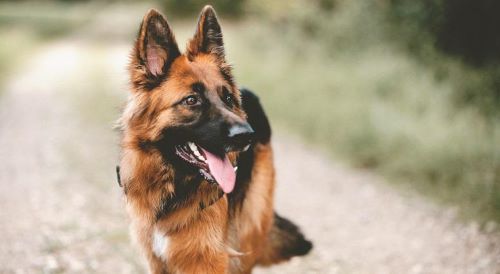 Certain breeds are more likely to suffer from types of "myopathy," which are diseases that cause damage to muscles and can lead to muscle atrophy. There are two main categories of breed: large dogs such as German Shepherds and sighthounds such as Greyhounds.
In the first category, German Shepherds are prone to fibrotic myopathy, which causes weakness in their thigh muscles; Labrador Retrievers can be affected by centronuclear myopathy, leading to muscle loss in their first year; and Great Danes can inherit a disorder that causes muscle wasting.
Some sighthounds are also affected by muscle loss, but for completely different reasons. When a breed such as a Greyhound experiences exertional myopathy, it’s usually because they have overworked their muscles through intense activity.
Causes of muscle atrophy
If your dog suddenly loses a significant amount of muscle, talk to your vet to find out if it’s a sign of a more serious underlying condition. However, very often muscle atrophy is caused by the aging process or a lack of activity. Put the two together -- an older dog who’s not getting much exercise -- and you have a double whammy that could bring on the condition.
Let’s have a closer look at these two causes.
- Getting older: A certain amount of muscle atrophy is normal as your dog gets older. Like humans, older dogs produce less growth hormone as they age and are less able to break down and synthesize protein to help build their muscle mass.
- Lack of exercise: This is a case of “use it or lose it.” Your dog needs enough exercise to keep their joints, ligaments and muscles strong. Without the right amount of exercise, they risk losing muscle mass.
How to support your dog
Once you’ve ruled out any serious underlying cause for your pet’s muscle loss, here are a couple of practical steps you can take to support your dog.
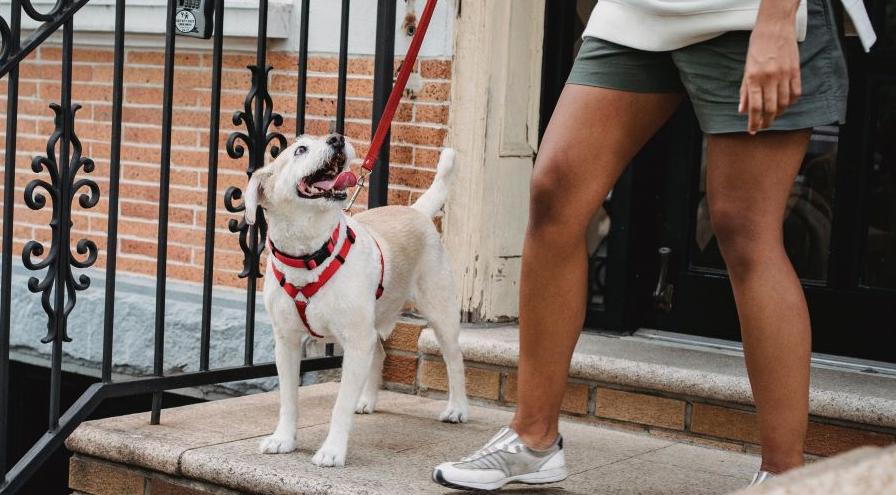
- Enjoy a leisurely walk together. Exercise will help build your dog’s muscle tone and mass, so get that tail wagging again by taking your dog out for a gentle stroll. If your dog has been finding it difficult to walk far, take it easy to start with and ask your vet for advice on the right amount of exercise for your dog.
- Feed your dog a healthy diet. Additional weight will add more strain to your dog’s muscles and make it harder for them to walk. So make sure you feed them a wholesome, nutritious diet that will help them stay in condition. Avoid foods that are high in protein and fat, and those higher in carbohydrates and fillers.