Wellness Wednesday: Spot Signs of Depression in Your Dog
What to look for, and how you can help.
As Mental Health Awareness Month is upon us, it’s important to raise awareness of looking after our mental well-being. But what about our canine friends, too? Dogs can also experience bouts of depression or anxiety, where they may appear upset, lethargic and withdrawn. As a loving dog owner, you will be relieved to learn that there are some warning signs to look for and there are things you can do to help.
Dr. Chad Dodd, a vet with more than 20 years of experience in the animal health industry and part of the YuMOVE team, gives his expert advice on how to spot signs of depression in dogs and, more importantly, how you can help to get them back to their bouncy, happy and healthy selves.
Causes of depression in dogs
According to Dr. Dodd, "Anxiety often manifests as response to triggers or stimuli, like loud noises (fireworks, thunderstorms) or being left alone or kenneled. Depression is generally brought on by a significant life change, loss of a family member or another pet, moving to a new home, or even other medical problems."
Here are some factors that may be having an effect on your dog's physical and mental well-being:
- Change in environment
- Fear
- Grief
- Illness
- Their owner
Here are the biggest signs of depression in dogs, according to vets
Loss of appetite/increased appetite
When a dog becomes depressed, their relationship with food may change. They may be so overcome with emotion or lethargy that they lose their appetite.
 Being lethargic and sleeping often
If your dog starts sleeping a lot more than unusual or seems to lack energy and becomes lethargic, this could be a sign of depression.
Excessive paw-licking
Licking or chomping on the paws could be the result of a physiological reason such as an infection, eczema and dry skin, or joint pain, so it’s definitely worth checking with your local vet. However, if your dog is licking their paws and exhibiting other signs on this list, then it could be linked to depression.
Hiding or becoming withdrawn
Sometimes when you are down, you just don’t feel like being social and participating as you would normally. That’s true of dogs, too.
While these are all common signs of depression or anxiety in dogs, Dr. Dodd says, "It's important to note that every dog exhibits anxiety and depression differently. Sometimes the same trigger causes one dog to be timid while others develop aggression. It really just depends on the dog and the situation at hand."
Vet reveals what you can do to help
Dog depression is very real and very unpleasant for the poor pup and their families. The good news is that there are ways you can help. If you think that your dog may be showing signs of depression, here are five things you can do to lift their mood and get things back on track.
1. Stick to a routine.
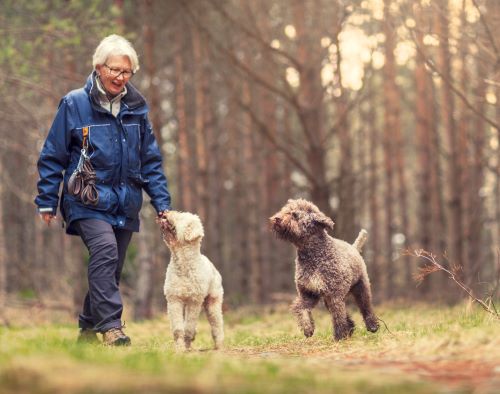 If your dog is displaying signs of depression, then it is only natural that you will want to comfort them and give them lots of cuddles and attention. This is great as it lets your dog know that they are loved and supported. However, one of the best ways to get things back on track is to stick to your dog's normal routine, especially if you think that the change in behavior is due to change in environment.
2. Take regular walks.
Almost all dogs love walks and, just like humans, regular exercise is a great way to keep them physically fit and healthy. Who doesn’t feel better after blowing off some steam? And with lock-down measures relaxed, you have no excuse! By going on regular walks (or extra walks!), your dog will get to enjoy one of their favorite activities while cherishing some alone time with you.
3. Entertain them.
While walks are very popular among dogs, there are plenty of other ways to keep your dog entertained. Playing games, teaching them tricks and investing in fun toys are all great ways to keep your pet occupied and feeling playful.
4. Keep them social.
Dogs are pack animals and love having company, so playing with their humans or socializing with other dogs should help to lift their mood. When you are at home, try to have some alone time with your dog or include them in activities. You could look at signing your dog up for a doggy daycare class or look for a dog sitter/walker, if it’s safe to do so, to keep them entertained and interactive throughout the day when you go back to work.
You may also consider seeking the help of an animal behaviorist if you are still unsure. Remember, your dog's best interests are of the utmost importance, and what works for one canine may not work for another.
For more information about YuMOVE, visit yumove.com.