Stuart Mah’s Top Tips from Lifetime Achievement Success
Pioneer of Dog Agility shares essentials for success.
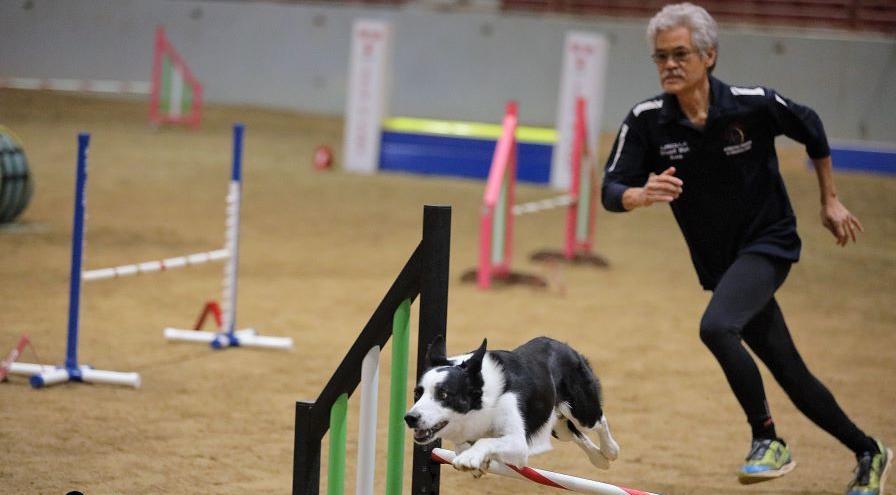
Originally published in the February 2023 OVERview digital magazine.
Fundamentals, fundamentals, fundamentals
You have to have them, or all the fancy handling, maneuvering and running around won’t do you a bit of good.
There are a lot of skills that the dog and handler need, but arguably one of the most important is having a good foundation of handler focus/obstacle focus and knowing how to transition between the two. Things happen so quickly on an agility course that you often don’t have time to think. You just need to react. That means having the fundamentals down so well that you don’t even have to think about what you should do; you just do it. Having a good set of training skills (on both the dog and the handler) is step one in being not just consistent but fast.
Adaptability
When running a course, things rarely go according to plan, and unexpected situations always crop up. As a handler, you must be adaptable and not just do something because you “walked it and practiced it that way.” That means developing situational awareness.
In terms of agility, that means being able to adapt to unexpected situations and focus on what you need to do instead of what you wanted to do. It also means keeping a focus on the overall goal and not losing sight of it while you are solving the immediate problem.
Make practice count by training outside of your comfort zone.
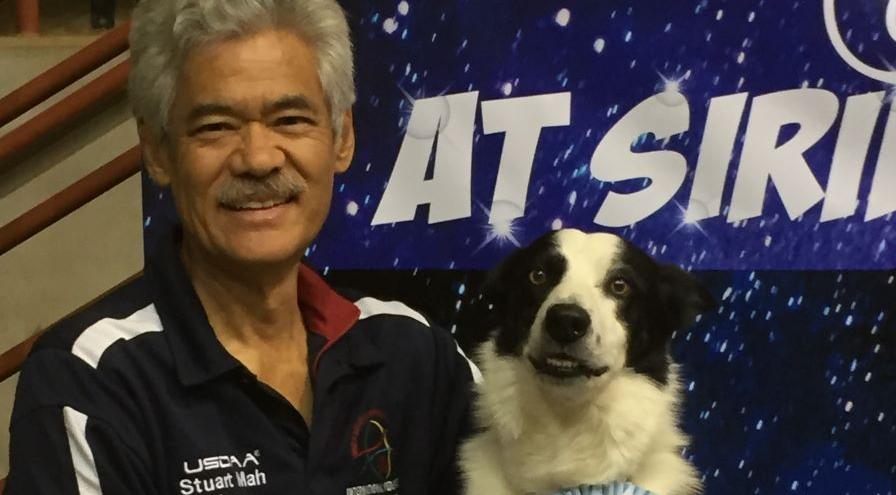 Training this way allows you to learn how to execute both dog and handler skills so that they can be applied even in situations that develop unexpectedly.
There are a lot of things you can do to train outside of your comfort zone. For example, you can figure out how to do a specific sequence more than one way rather than one specific way because somebody told you that was the “right way.” By figuring out how to do things multiple ways, when the unexpected crops up, you will have some idea of what you need to do because you’ve essentially “been there, done that.” Another example might be training on longer courses in practice than you see at a show, so you and your dog focus for longer periods without losing concentration. It could also something as simple as learning to ignore a mistake and acknowledging only the successes. Once you learn how to train outside of the comfort zone, you’ll notice that what was originally hard will now become easier, and you are more effective because less happens on an agility course that you can’t do.
Listen to the coach.
This might be your seminar leader, video coach or friend. All are important. But one coach that handlers frequently ignore is probably the most important — their dog. This goes for practice or competition.
When running a course or sequence, your dog is constantly giving you clues and feedback as to what is happening and what you need to do. This happens in real time instead of the delay that exists while you get out of a ring or wait for someone to answer your text or e-mail. The sooner you learn to listen to what your dog is telling or showing you, the more capable you can be, not only in practice but in competition.